About SciAps X-200 Alloy Analyzer
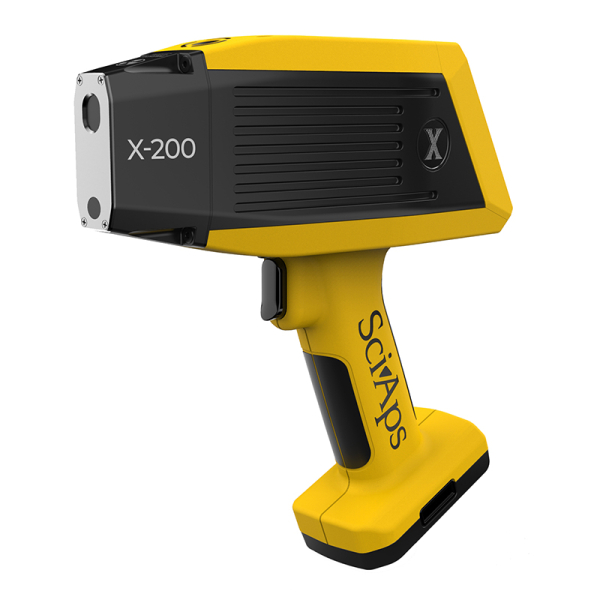
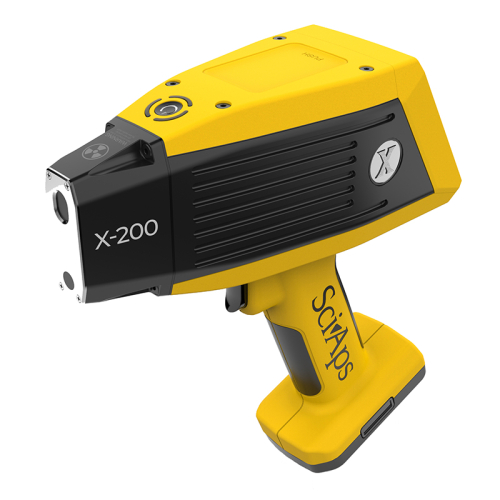
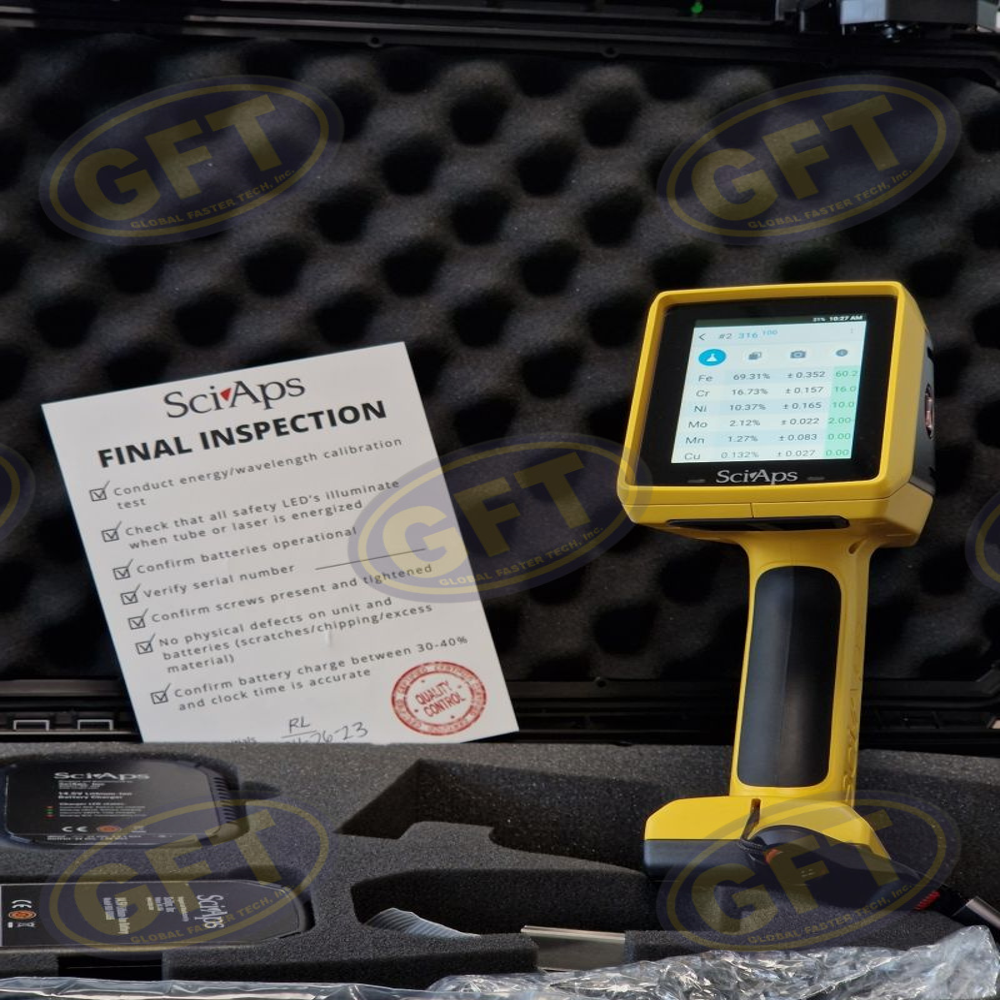
SciAps X-200 Alloy Analyzer is a fast and reliable handheld XRF device designed for accurate metal and alloy identification. It delivers precise results in just 12 seconds, even for challenging aluminum and steel grades. Rugged yet lightweight, it features a bright touch screen, built-in camera, and wireless connectivity for easy data sharing. Ideal for scrap processing, quality control, and non-destructive testing applications.
Rapid Alloy IdentificationLeveraging a high-speed SDD detector and miniature X-ray tube, the SciAps X-200 delivers alloy analysis results within 1-2 seconds for most major alloys. This efficiency makes it ideal for quality control in manufacturing, scrap sorting, and on-site verification tasks, allowing users to quickly identify materials and minimize downtime in their workflow.
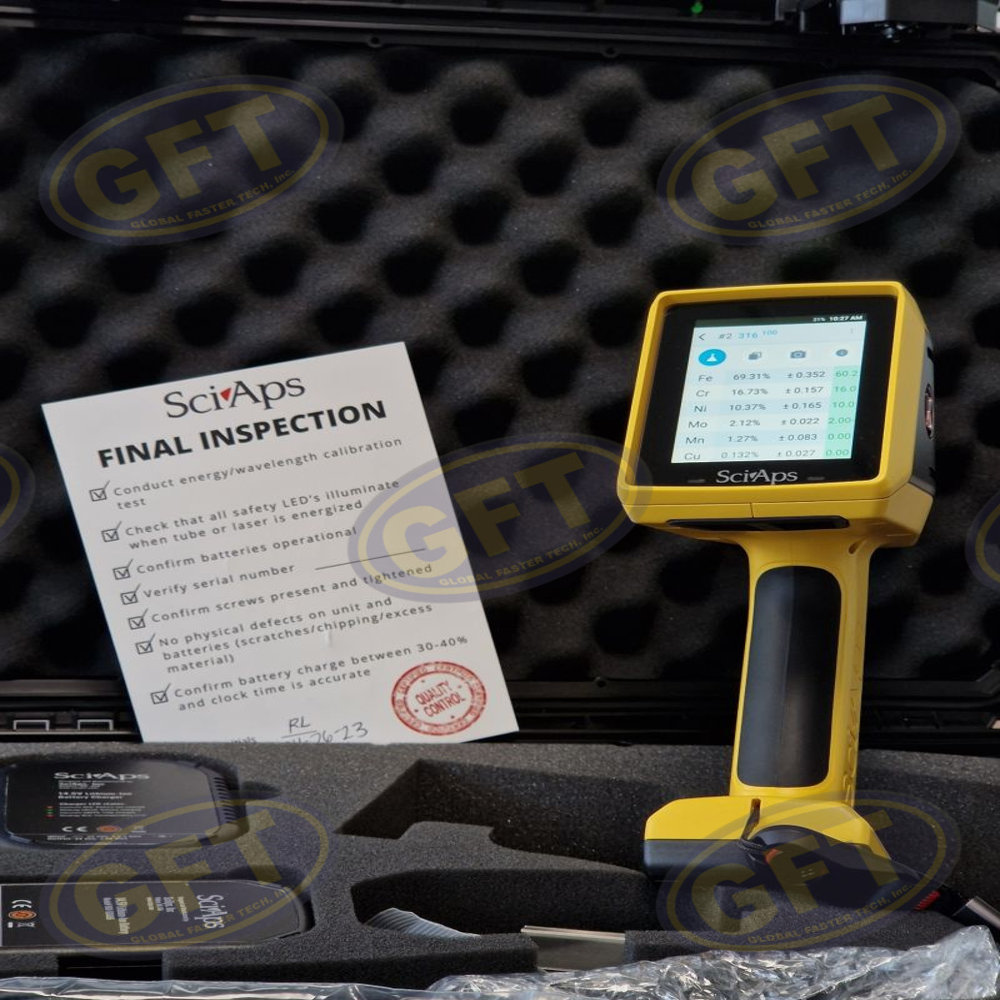
Versatile and User-Friendly OperationBuilt on an Android OS and equipped with a 4.3-inch color touchscreen, the X-200 ensures a familiar and intuitive user experience. It supports both factory and user calibration modes, customizable to your workflow. Data storage and transfer options include internal memory, expandable storage, direct USB, and cloud connectivity, simplifying record-keeping and sharing.
Designed for Demanding EnvironmentsWith an IP54 rating, the SciAps X-200 is resistant to dust and splashes, making it well-suited for use in industrial and outdoor settings. The device operates reliably in temperatures ranging from -10C to 50C and comes with an interlocked trigger and radiation shield for enhanced safety during operation.
FAQ's of SciAps X-200 Alloy Analyzer:
Q: How does the SciAps X-200 Alloy Analyzer determine the composition of alloys?
A: The analyzer uses a miniature X-ray tube and a high-speed Silicon Drift Detector (SDD) to perform X-ray fluorescence (XRF) measurements. When the X-ray beam excites the sample, the analyzer detects the energy of emitted X-rays to identify and quantify the elements present in the alloy, delivering results in as little as 1-2 seconds for most major alloys.
Q: What is the element range that the X-200 Alloy Analyzer can detect?
A: The SciAps X-200 can detect elements from magnesium (Mg) up to uranium (U), though the specific range may vary based on the application and sample conditions. This wide range makes it suitable for analyzing a broad spectrum of industrial alloys.
Q: When should I calibrate the X-200 Analyzer, and what calibration options are available?
A: Calibration is essential for accurate readings. The X-200 provides onboard factory calibration for most standard applications and offers user calibration modes to tailor the device to specific sample types or requirements. Calibration should be performed regularly and whenever switching to a new alloy family or application.
Q: Where can the SciAps X-200 Alloy Analyzer be used safely?
A: With its IP54 rating, the X-200 is protected against dust and water splashes, making it suitable for use in industrial plants, outdoor environments, and demanding field settings. It operates reliably within a temperature range from -10C to 50C.
Q: What is the process for transferring analysis data from the X-200?
A: Data from the X-200 can be transferred via multiple methods, including direct USB connection, WiFi and Bluetooth wireless transfer, direct PC synchronization, or cloud-based uploading. This flexibility ensures seamless integration with most data management workflows.
Q: How long can the X-200 Alloy Analyzer operate on a single battery charge?
A: The analyzer's battery can last between 8 and 12 hours of continuous operation, depending on usage and optional features such as the integrated camera and barcode reader. This extended battery life supports uninterrupted work during long shifts or fieldwork.
Q: What are the key benefits of using the SciAps X-200 Alloy Analyzer?
A: The X-200 combines rapid and precise alloy identification, user-friendly Android-based operation, robust durability, and versatile connectivity options. Its high performance and ease of use help improve productivity, save time in material verification, and enable dependable traceability in alloy analysis work.







 Send Inquiry


 Send Inquiry