About IMPACT TOC Analyzer
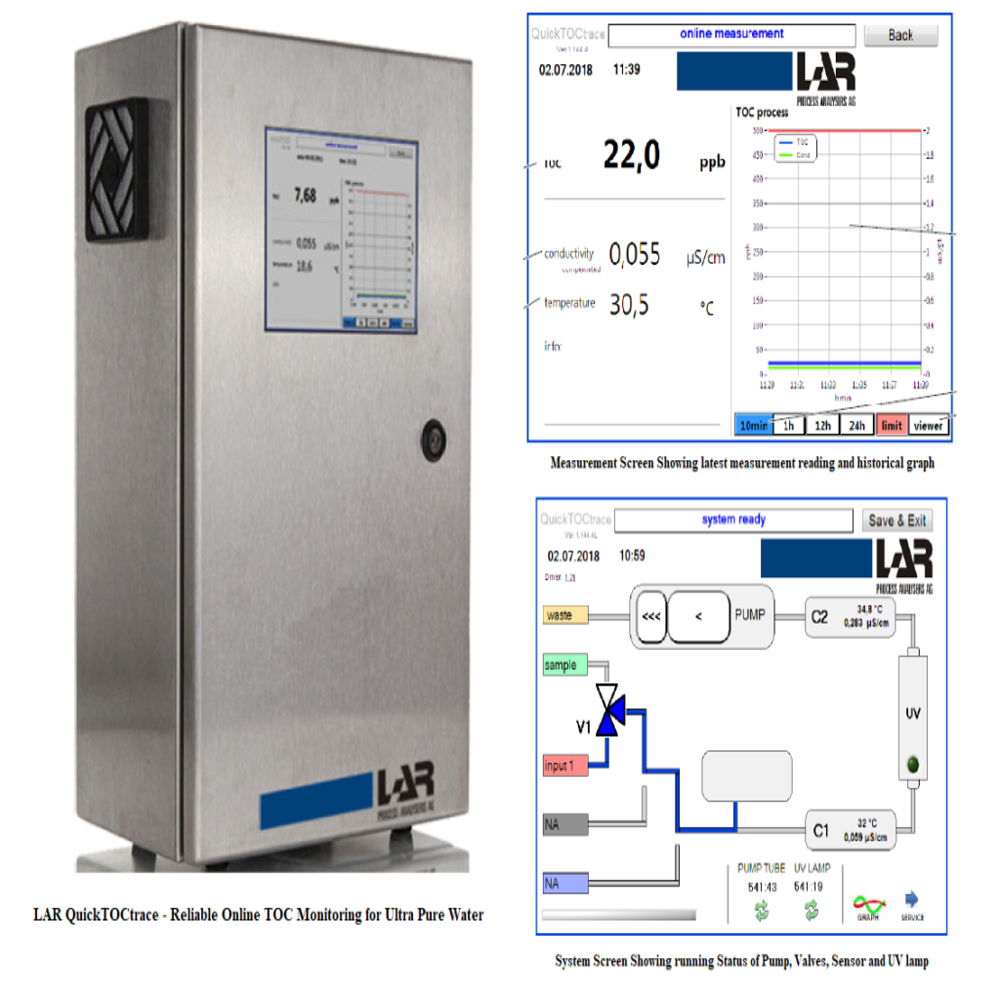
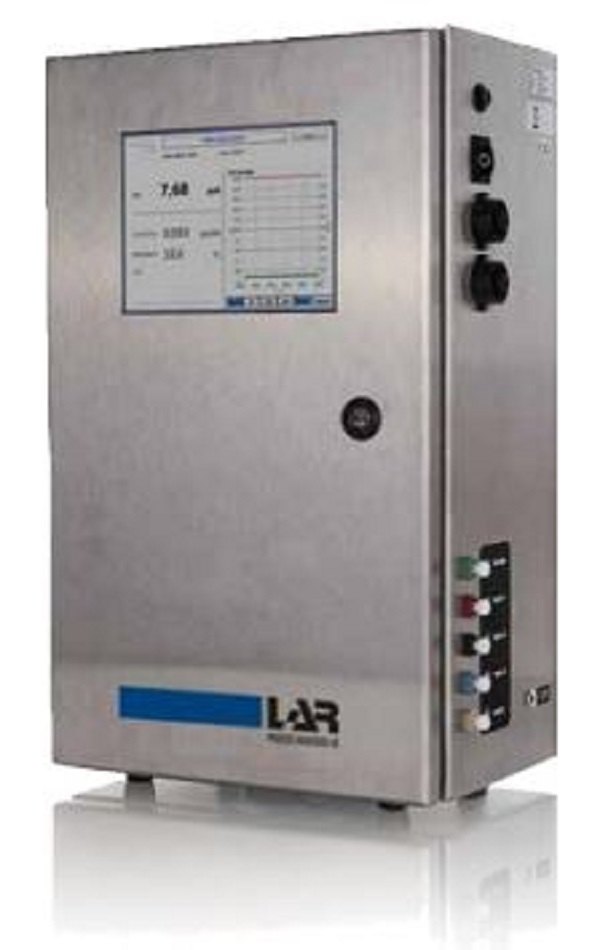
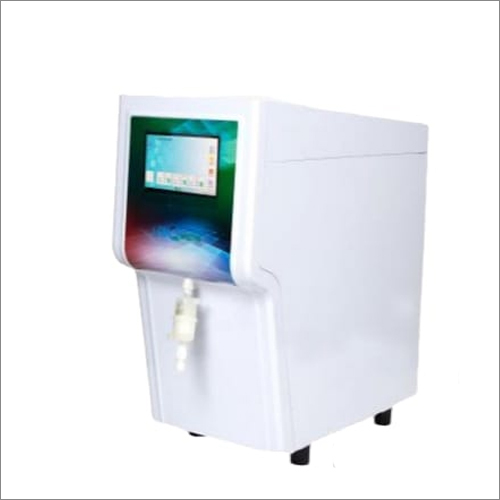
IMPACT TOC Analyzer Basic Model is a compact, fully automated instrument designed for accurate measurement of Total Organic Carbon (TOC) in purified water (PW) and water for injection (WFI). Built with conductivity-based detection and UV oxidation, it ensures reliable monitoring for pharmaceutical, laboratory, and industrial water systems. The analyzer features an 8-inch touch-screen HMI, SS-304 panel, low water consumption, internal data storage, and advanced safety features, making it ideal for continuous compliance and quality control applications
Robust and Efficient TOC AnalysisThe IMPACT TOC Analyzer leverages UV oxidation technology to deliver precise and high-throughput measurements, making it suitable for demanding applications in laboratories, water treatment, and the pharmaceutical industry. It ensures a recycle rate of 98% and maintains high efficiency while processing up to 60 samples per hour. Its benchtop design and low noise level make it a practical solution for various analytical environments.
User-Friendly Operation and Automatic FeaturesDesigned for ease of use, the analyzer features an ergonomic LCD touchscreen and allows for automatic multi-point calibration, minimizing user intervention and enhancing workflows. Sample injection volumes are adjustable from 50 to 500 L, accommodating diverse sample types. Data management is seamless thanks to USB and RS232 outputs, enabling fast integration with laboratory systems.
Built for Safety and ComplianceThis analyzer incorporates robust safety measures, including overcurrent protection and advanced leak detection. It is compliant with international standards such as USP <643> and EP 2.2.44, ensuring reliable and validated results in critical settings. Its stainless steel construction assures longevity and chemical resistance, essential for maintaining consistent performance.
FAQ's of IMPACT TOC Analyzer:
Q: How does the IMPACT TOC Analyzer perform Total Organic Carbon (TOC) analysis?
A: The analyzer uses a UV/Persulfate Oxidation method to oxidize organic carbon in the sample. The resulting carbon dioxide is detected via Non-Dispersive Infrared (NDIR) Detection, providing accurate TOC quantification across a broad measurement range.
Q: What is the process for calibrating the IMPACT TOC Analyzer, and how often should it be done?
A: Calibration is automatic and performed using a multi-point function. The frequency depends on usage and regulatory requirements but generally, the analyzer alerts users when calibration is required for maintaining optimal accuracy.
Q: Where can the IMPACT TOC Analyzer be installed and used?
A: With compact dimensions (420 x 320 x 350 mm) and benchtop configuration, it fits seamlessly into laboratory, pharmaceutical, and water treatment facilities. It operates efficiently between 5C and 40C, making it adaptable to various environments.
Q: What are the benefits of using automatic features such as calibration and data output?
A: Automatic calibration ensures measurement reliability and saves time, while data output options (USB, RS232) facilitate easy record-keeping and integration with laboratory information systems, making operations more efficient and reducing manual errors.
Q: How is sample injection managed and what is the typical throughput?
A: Sample injection volumes can be set from 50 L to 500 L. The peristaltic pump and micro filter system allow for fast sample handling, achieving up to 60 sample analyses per hour with high precision and minimal contamination risk.
Q: What safety features are integrated into the analyzer?
A: The unit is equipped with overcurrent protection to prevent electrical hazards and a leak detection system to safeguard both the equipment and the laboratory environment during operation.
Q: When should the analyzer be used, and who are its ideal users?
A: It is best employed when high-accuracy TOC analysis is critical, such as in research, quality control, and water treatment. Ideal users include laboratories, pharmaceutical manufacturers, and industries needing reliable organic carbon monitoring.






 Send Inquiry


 Send Inquiry